A closer look at the scale of Puerto Rico’s stray dog crisis, and the systems struggling to contain it.
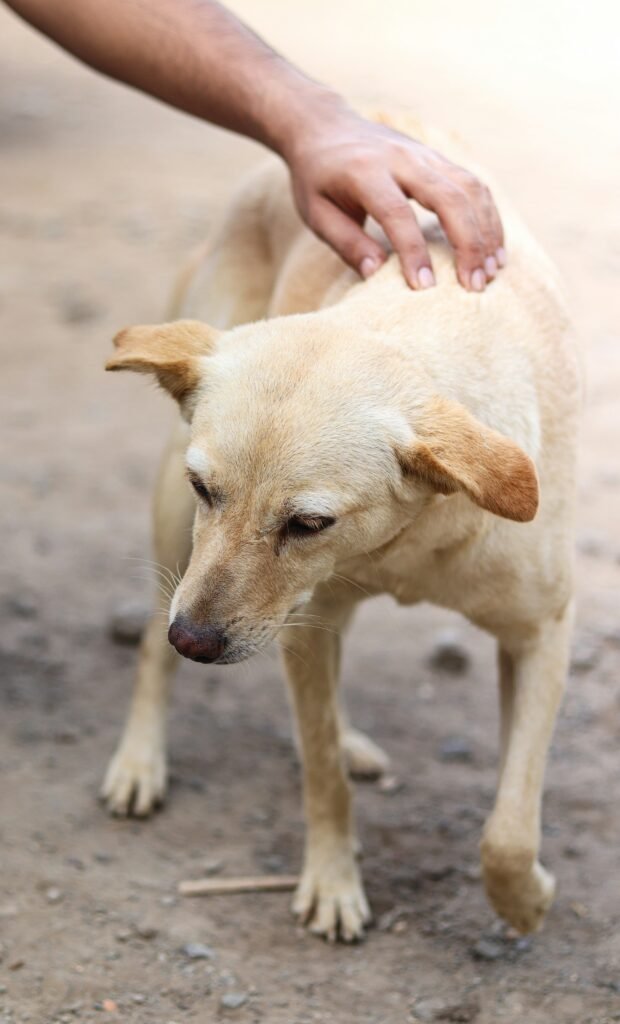
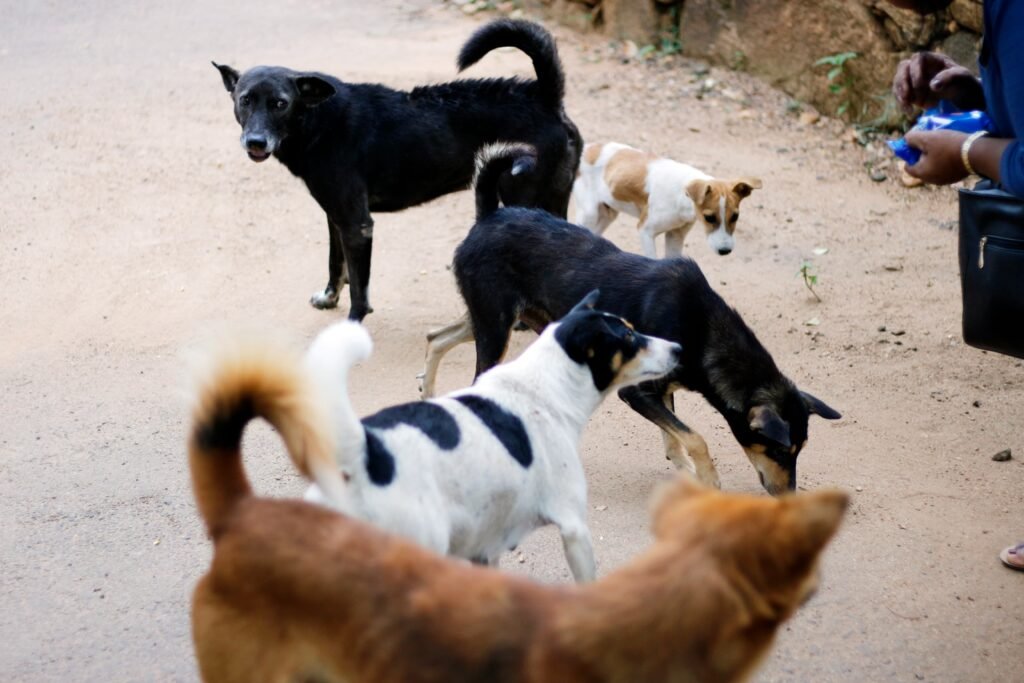
Puerto Rico has a stray animal problem that is difficult to ignore. Estimates place the island’s stray dog population in the hundreds of thousands, earning them a local name most people on the island know well: satos. Understanding the scale of the crisis is the first step toward solving it.
How Many Stray Dogs Are in Puerto Rico?
Estimates vary, but nonprofit organizations and local rescuers have long cited figures ranging from 500,000 to over one million stray dogs living on the streets of Puerto Rico. The island’s warm climate, limited municipal resources, and historically low spay and neuter rates have all contributed to a population that has been difficult to bring under control.
Why the Crisis Has Been Hard to Solve
Several factors have made Puerto Rico’s stray dog crisis particularly challenging to address.
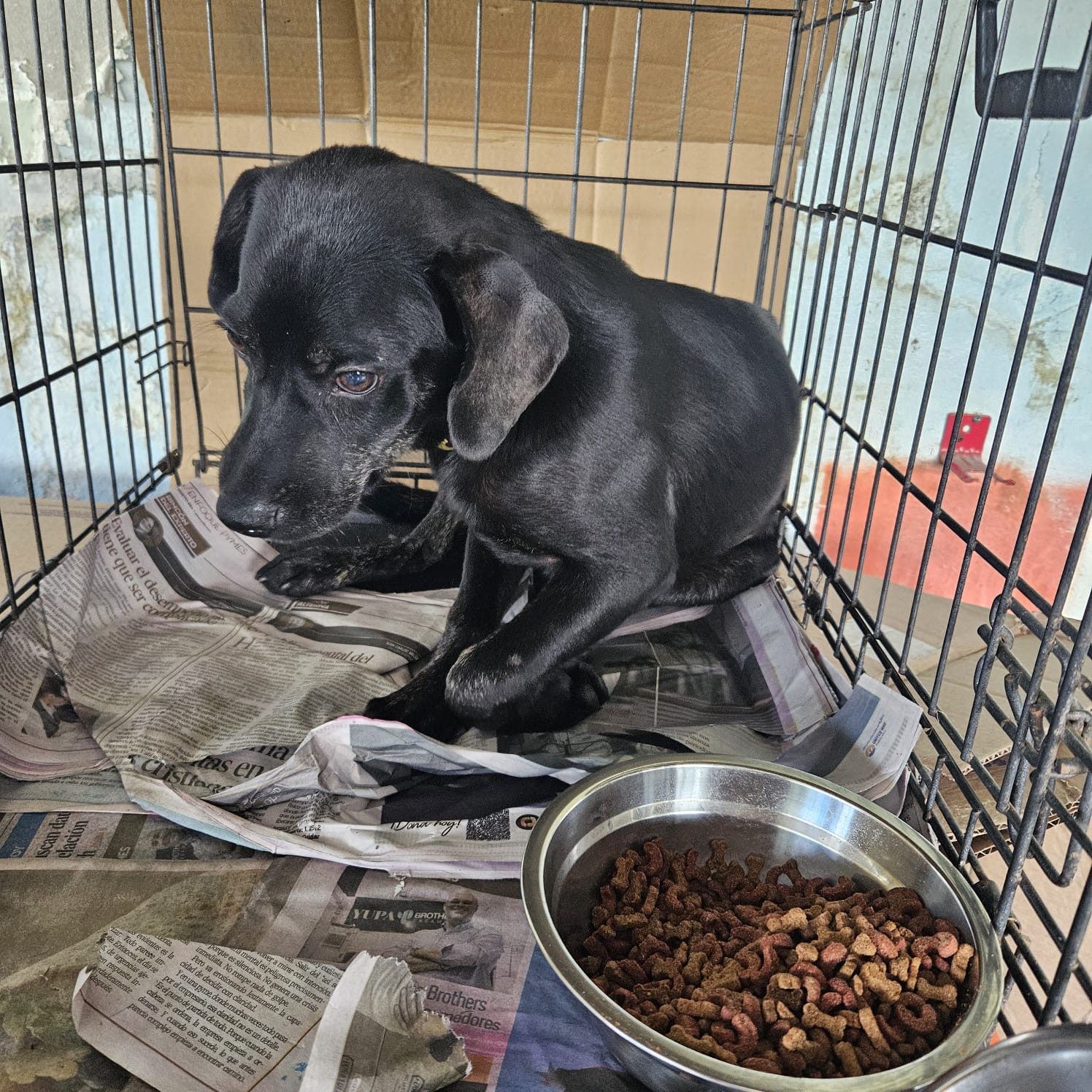
Limited shelter capacity is one of the biggest obstacles. Municipal shelters across the island are chronically underfunded and overcrowded, leaving many animals without access to basic care.
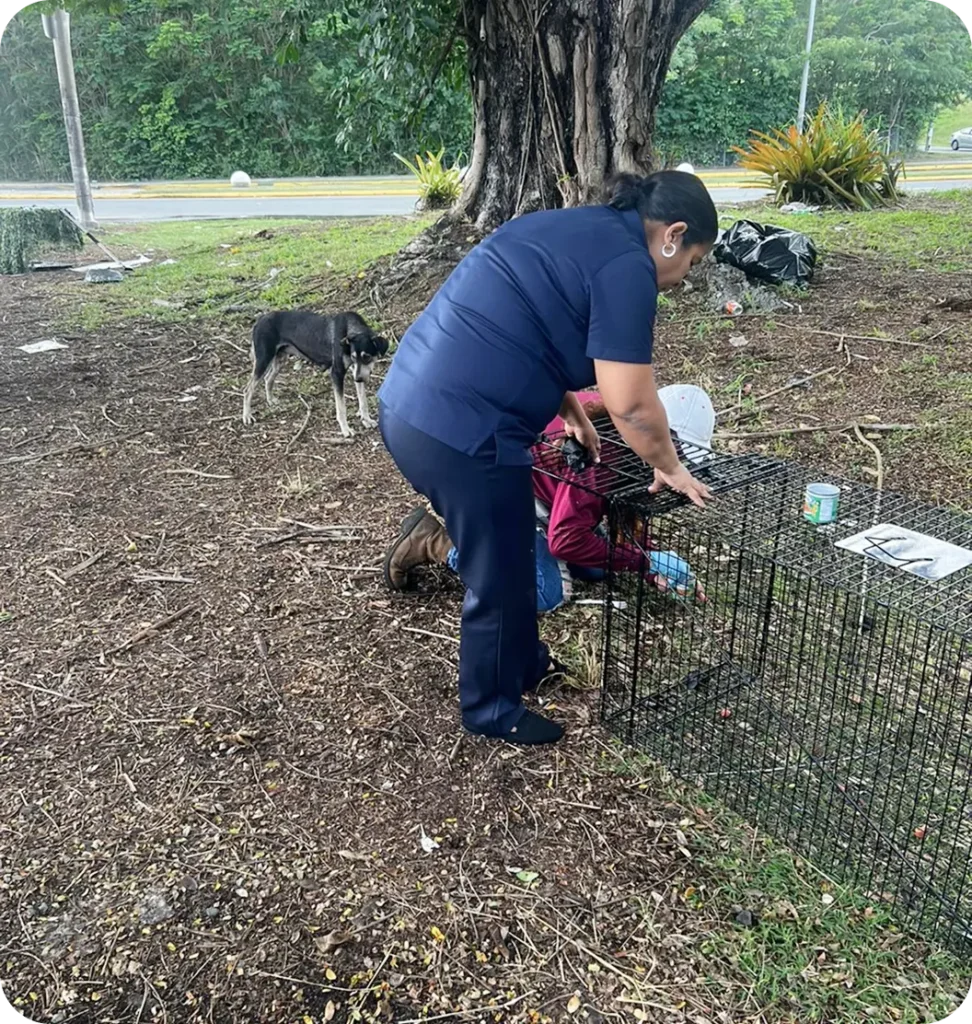
Low spay and neuter rates have historically allowed the population to grow faster than rescue organizations can manage. Without consistent TNR programs in place, the cycle continues.
Natural disasters have made things worse. After Hurricane Maria in 2017, thousands of animals were displaced or abandoned, adding to an already strained system.
The Role of Transport Programs
With limited adoption capacity on the island, many dogs rely on transport to the mainland United States to find homes. Volunteer-run transport networks coordinate flights and ground transport to connect Puerto Rico’s satos with adopters across the country. These programs have rehomed tens of thousands of animals over the years, but demand consistently outpaces availability.
What TNR Is Doing to Help
Trap, neuter, and release programs are widely recognized as one of the most effective long-term tools for reducing stray animal populations. By sterilizing animals already living in the community, TNR slows population growth without relying solely on shelters or transport. Estancia Tanamá currently helps fund TNR efforts across the island in partnership with rescuers from the east coast.
What Needs to Change
Addressing Puerto Rico’s stray dog crisis at scale requires investment in several areas at once: expanded TNR programs, more foster and adoption networks, increased veterinary access in underserved areas, and dedicated shelter space for animals awaiting placement. We are actively working toward all of these, including efforts to establish a rescue hub near Ceiba.
How You Can Help
Whether you are in Puerto Rico or on the mainland, there are real ways to support this work. Every donación helps fund TNR, veterinary care, and rescue operations for animals across the island.